

Portfolio | Project 03
Building Confidence Through Public Speaking
Collaboration with Limi Public Speaking Co.
Transforming a startup founder's vision into an engaging, instructor-led learning experience that helps young people build confidence and strengthen their public speaking skills.
01 Project Overview
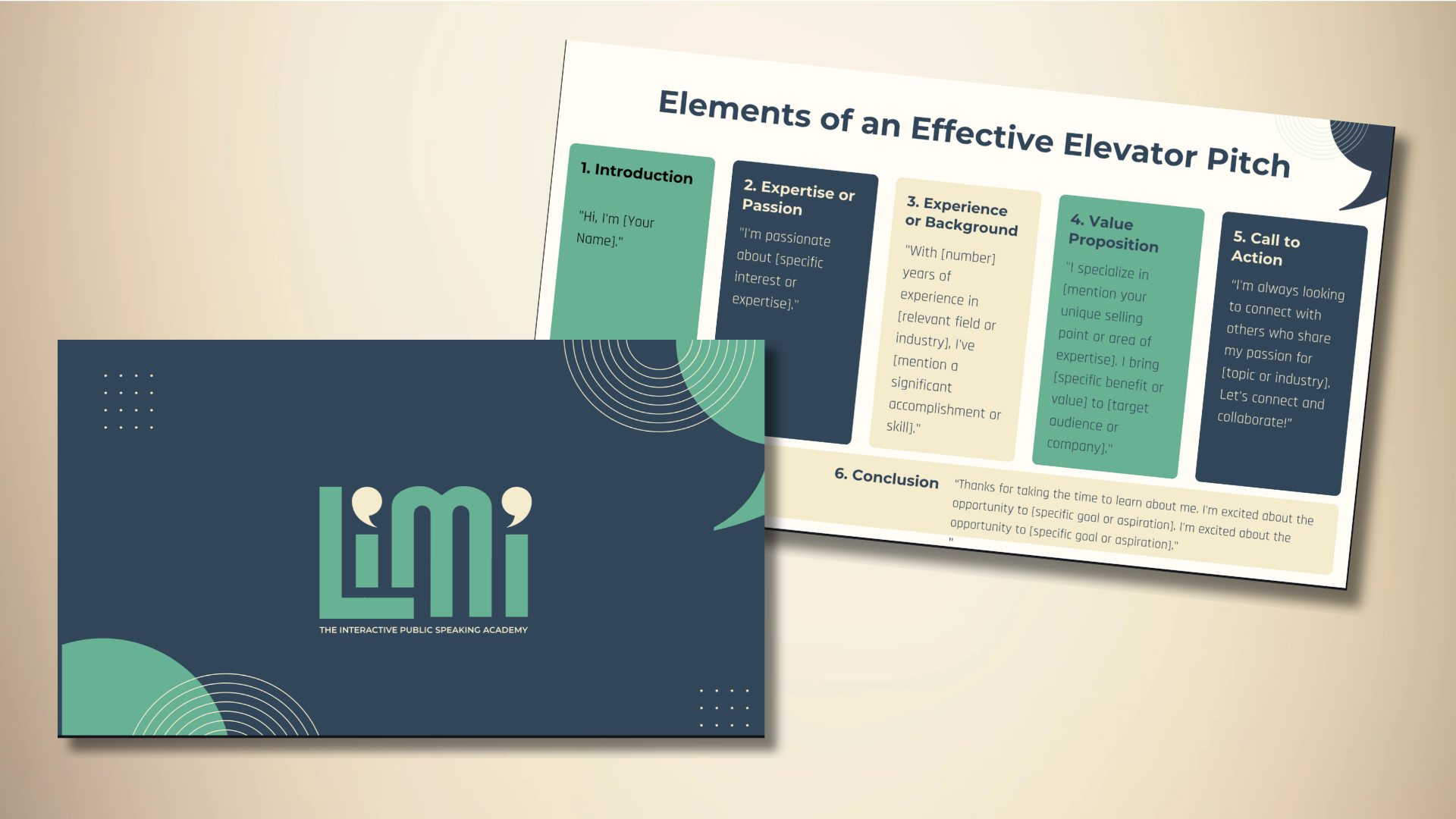
Limi Public Speaking Co. was founded to help at-risk students, aged 13–20, build confidence and develop effective public speaking skills.
In collaboration with Limi, I transformed the organization's curriculum vision into a structured Week 1 learning experience. The final deliverables included an instructional plan, a branded presentation, and guided learner activities.
MY ROLE
TARGET AUDIENCE
TOOLS
PROJECT TYPE
FORMAT
Instructional Designer & Curriculum Developer
At-risk students, ages 13-20
Canva
Instructor-Led Curriculum Development
Instructor-Led Training
02 The Learning Challenge
The founder of Limi envisioned a six-week public speaking program that combined skill development with hands-on learning.
The instructional design challenge was to translate that vision into a cohesive curriculum with clear learning objectives and purposeful activities. The program also needed to provide opportunities for students to practice their skills, receive feedback, and reflect on their progress.
Through collaborative planning, we worked to identify the program's core topics and establish a foundation for the learning experience.
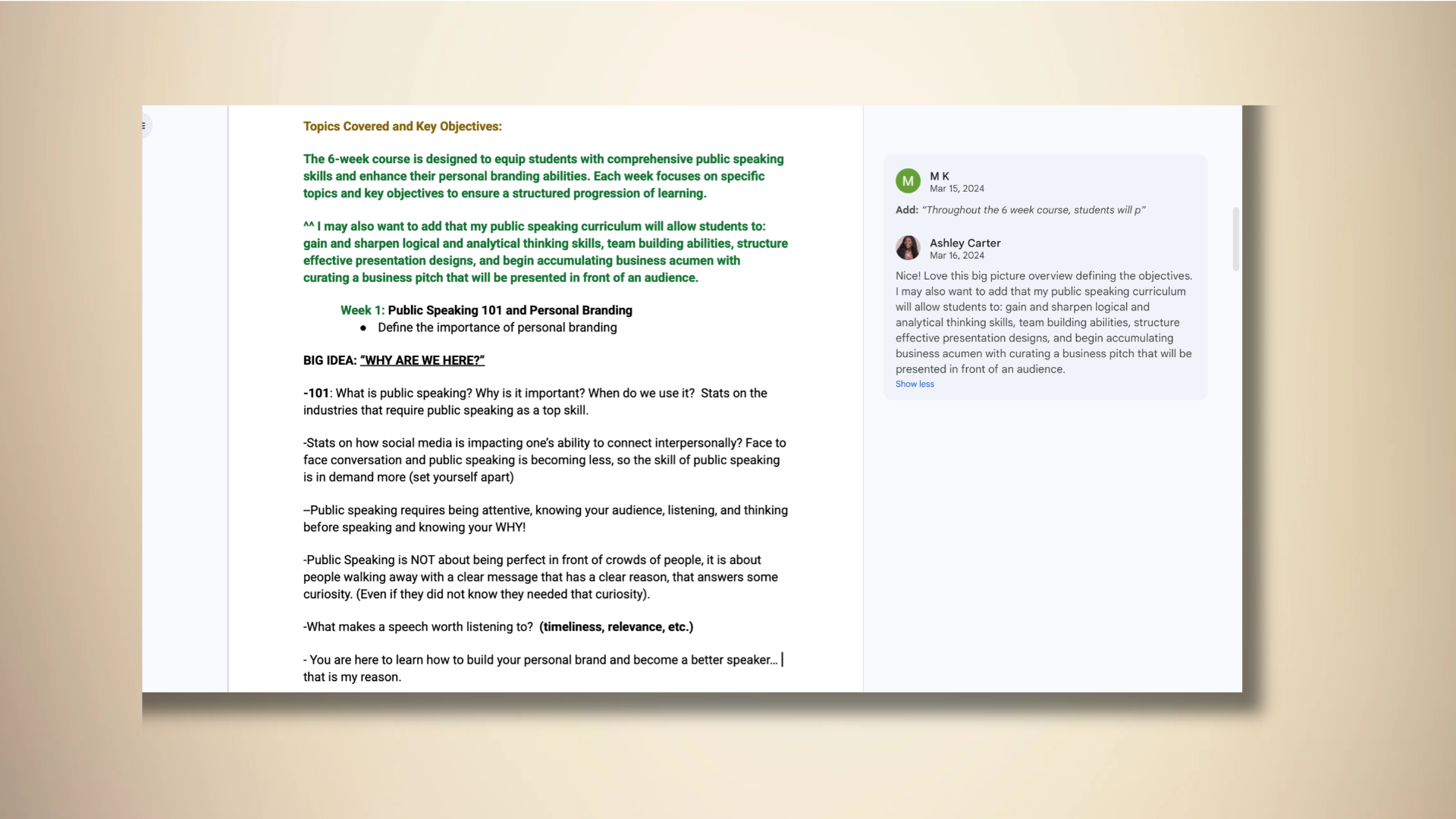
Early-stage curriculum planning and development of learning objectives.
03 My Design Approach
From curriculum goals to purposeful instruction.
I collaborated with the founder of Limi on the development of a six-week public speaking program structured around one lesson per week.
Using Week 1 as a starting point, I helped translate the program's learning objectives into instructional content and activities. The lesson introduced foundational public speaking concepts and personal branding while encouraging students to consider how communication skills apply to real-world situations.
Key Design Decisions
01
Objective-Aligned Instruction
Connected lesson content and activities to the program's learning objectives.
02
Practical Skill Development
Helped develop activities that encouraged students to explore and practice foundational public speaking skills.
03
Learner Engagement
Incorporated discussion and reflection opportunities to encourage active participation and personal connections to the content.
04
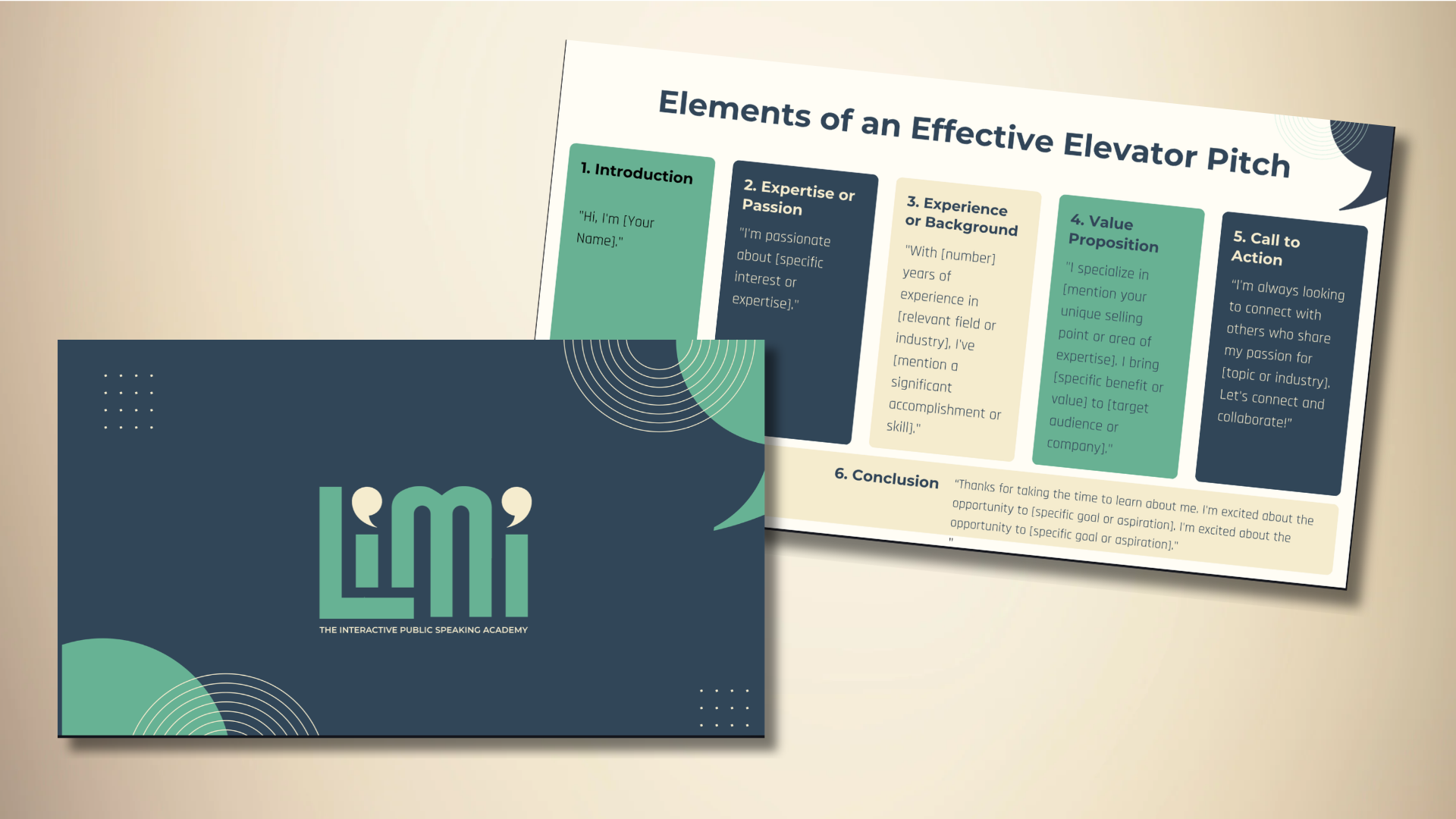
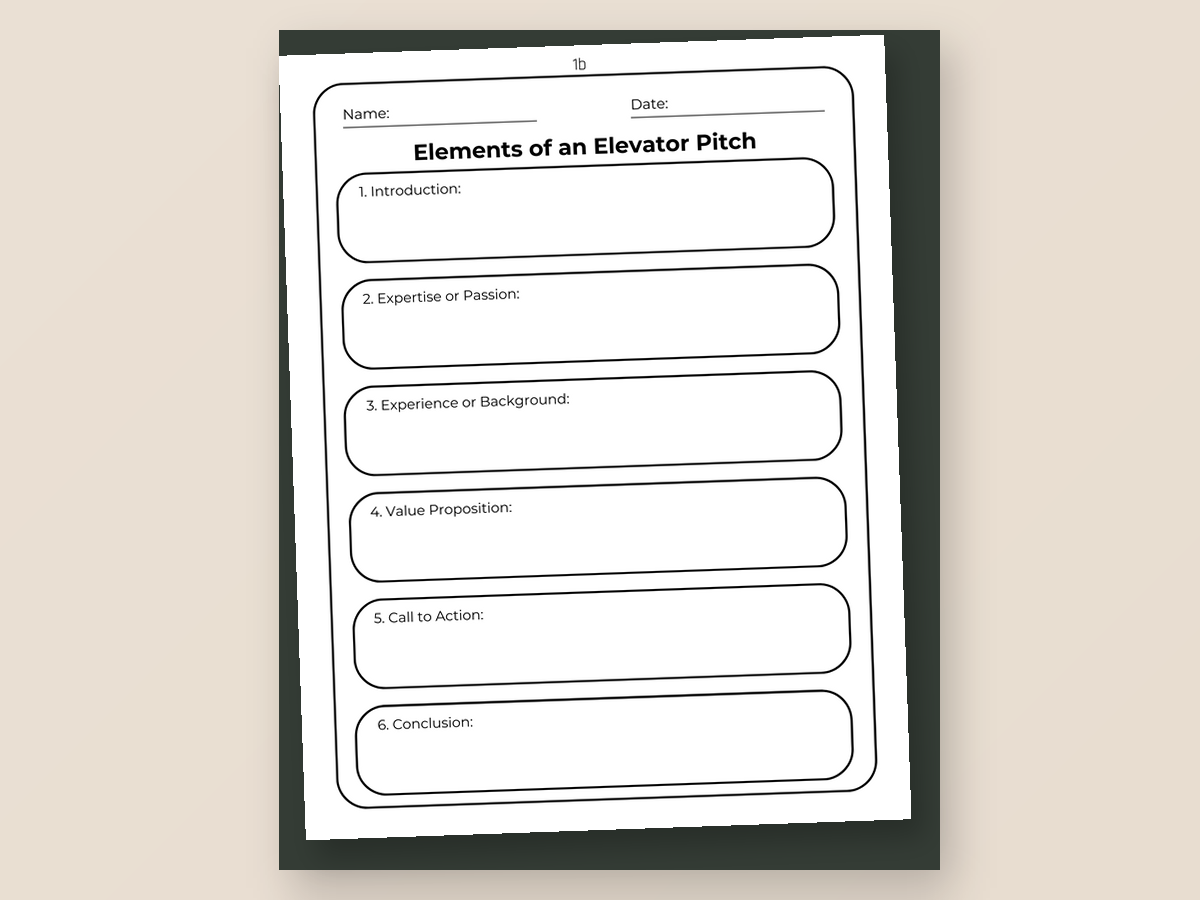
The Week 1 lesson introduced foundational public speaking concepts through guided discussion, practical activities, and opportunities for reflection. Each component was designed to help students connect communication skills to their personal experiences and real-world situations.
Foundational Instruction
Introduced public speaking and personal branding concepts.
Structured Pitch Development
Guided learners through the components of an effective elevator pitch.
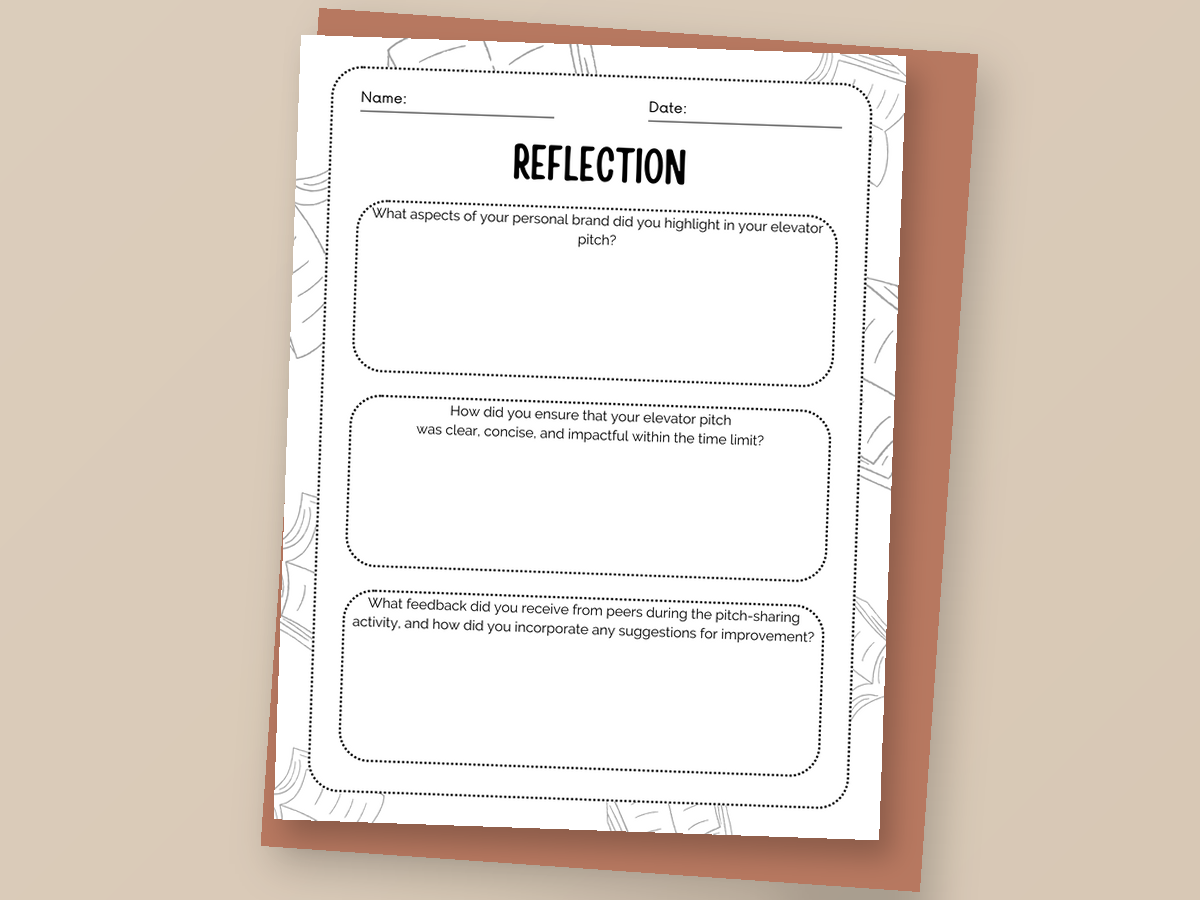
Reflection & Feedback
Designed reflection prompts to help learners evaluate their pitches and consider peer feedback.
The Learning Experience
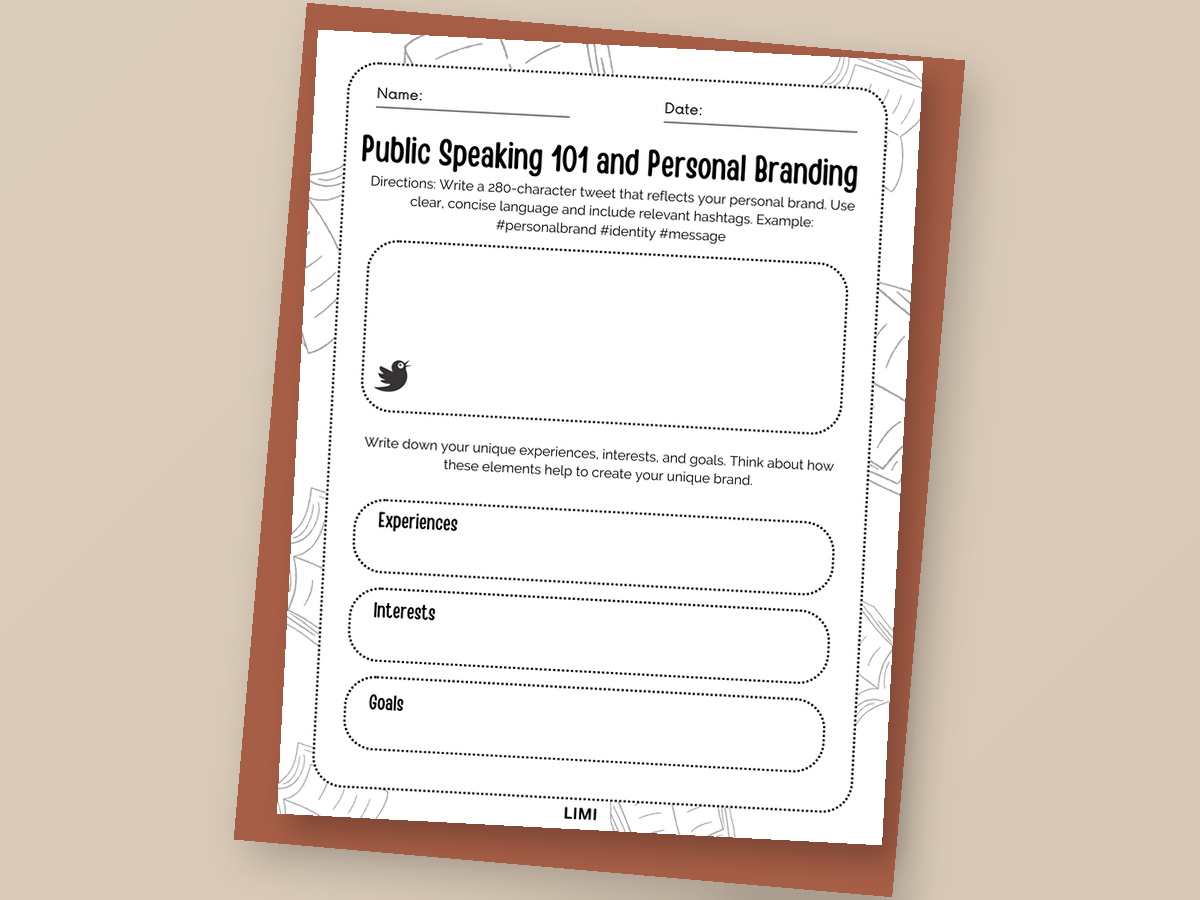
Personal Brand Exploration
Connected learners' experiences, interests, and goals to their personal brand.
05
Reflection & Next Steps
What I Learned
Collaborating with the founder of Limi as a subject matter expert (SME) reinforced the importance of translating expert knowledge into meaningful learning experiences. I gained experience balancing stakeholder input with instructional design principles to create content and activities aligned with learning objectives.
Designing the Week 1 materials also strengthened my understanding of how scaffolding can support learners as they move from foundational concepts to practical application and reflection.
Evaluation Plan
To evaluate the effectiveness of the Week 1 lesson, I would gather learner feedback and review completed activities to assess how well students understood and applied the foundational public speaking concepts.
I would also examine students' elevator pitches and reflections for evidence of skill development. These findings could inform revisions to instructional materials and guide future curriculum development.